Comforters provide a unified layer of warmth and insulation that enhances sleep quality. They are designed to regulate temperature, offering consistent warmth without excessive bulk. Common materials include cotton covers, down-alternative fills, and blends that balance loft, weight, and breathability for year-round comfort.
In the comforter category, understanding fill power, thread count, and fabric weave helps compare performance. Down or down-alternative fills offer different warmth-to-weight ratios, while shell fabrics such as cotton percale or sateen influence tactile feel and moisture management. These features impact comfort, durability, and ease of care in daily use.
Key product considerations include warmth level, weight, and temperature regulation. A well-chosen comforter supports sleep by reducing heat fluctuations, while being breathable enough to prevent overheating. Some designs incorporate baffle-box construction or corner ties to maintain even distribution of filling and maintain shape over time.
Examples like Sleep and Beyond and myComforter illustrate variations in fill types, from hypoallergenic alternatives to high-fill-power options. Features may include machine-washable fabrics, corner loops for secure layering with other bedding, and compatible duvet inserts for flexible seasonal use—each enabling practical bedding solutions with functional benefits.
Relevant metadata and keywords, such as bedding, pillows, sheets, organic mattresses, and latex, emphasize the broader ecosystem of sleep accessories. Understanding how comforters interact with sheets and mattress materials helps select items that support comfort, temperature management, and long-term durability within properbed.com’s educational approach.
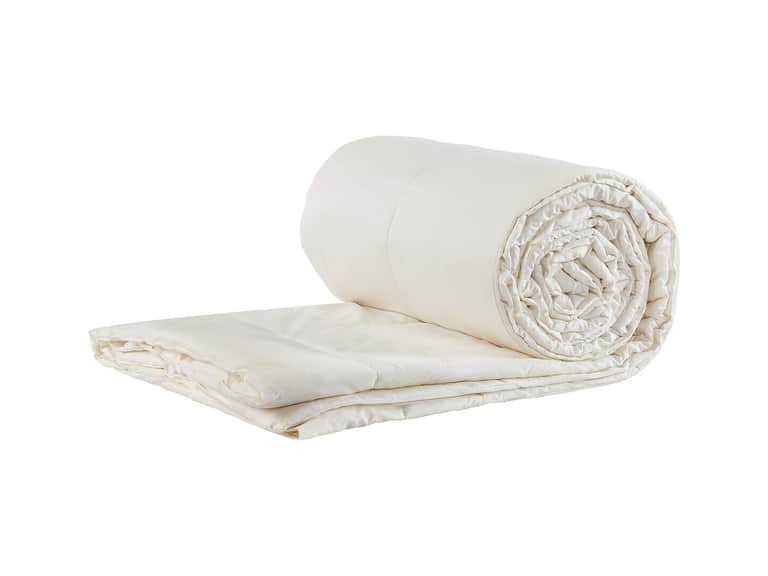 Bedding