Comparing Organic vs. Traditional Mattresses: What Sleep Believers Should Consider
A primer on materials, certifications, and long-term comfort that helps readers discern credible claims from marketing. Written in a narrative that echoes National Geographic’s clarity and curiosity, this piece weaves science, history, and real-world guidance into a practical framework for choosing a sleep system that aligns with health, sustainability, and daily life.
A journey into mattress truth: why the choice matters
The moment you lie down, your body becomes a living laboratory. Temperature, moisture, pressure, and motion interact with the contours of your bed to determine how quickly you fall asleep, how deeply you rest, and how refreshed you wake. Across centuries, humans have sought better ways to cradle the body at rest: natural materials, innovative designs, and ever-improving ergonomics. Today, the most consequential decisions about sleep often hinge on a singular question: what exactly makes a mattress “organic”? And how does that compare to traditional, non-organic constructions?
Organic, in the context of mattresses, transcends a mere marketing label. It involves a chain of certifications, from raw material to finished product, that attest to the absence of harmful substances and the environmental integrity of the manufacturing process. Traditional mattresses, while varied in quality, frequently rely on composites, synthetic foams, and chemical flame retardants that can influence indoor air quality and long-term comfort. The difference is not merely a label, but a life-cycle conversation about health, durability, and sustainability.
Material breakdown: what qualifies as organic and how it diverges from conventional components
At the core of any mattress comparison lies material composition. Organic mattresses often rely on components certified by respected standards such as GOTS (Global Organic Textile Standard) for textiles, GOLS (Global Organic Latex Standard) for latex, and other programs that verify organic farming practices, minimal chemical processing, and traceable supply chains. In contrast, traditional mattresses may incorporate polyurethane foams, viscoelastic foams, synthetic fibers, and flame retardants that are designed for durability and cost efficiency, sometimes at the expense of indoor air quality and long-term breathability.
Key organic components typically emphasized include:
- Organic latex: often derived from rubber trees grown with responsible cultivation practices and processed with fewer synthetic additives.
- Organic cotton or wool: natural fibers used as covers or insulation, chosen for breathability, moisture management, and reduced chemical exposure.
- Wool and plant-based fibers: natural flame barriers and temperature regulation without scorch-prone synthetics.
- Certifications: GOTS for textiles, GOLS for latex, and independent third-party verifications that trace the product from farm to finish.
Traditional mattresses frequently rely on:
- Polyurethane foams (memory foam, polyurethane) with varying densities and additives.
- Synthetic fabrics and flame retardants, sometimes integrated into the core or cover layers.
- Conventional innerspring or pocketed coil systems with comfort layers that may include synthetic fibers.
Practical impacts on sleep: temperature regulation, breathability, and support across sleep positions
Beyond the headline claims, how a mattress feels in the night is determined by how its materials manage temperature and moisture. Organic models often emphasize natural ventilation, breathable ticking, and moisture-wicking properties that support a cooler sleep surface—an essential factor for hot sleepers and humid climates. Latex cores, natural wool layers, and cotton covers contribute to a climate that reduces night sweats and promotes steady thermoregulation.
Support is another critical axis. A high-quality mattress stabilizes the spine while accommodating different sleep positions. Organic latex’s buoyant resilience can provide consistent support without the contouring that leads to trapped heat, while certain traditional memory foams conform closely to curves but may trap heat if not designed with cooling technologies. The combination of core support and surface feel determines whether a mattress fosters deep, restorative sleep or prompts restless turnover.
Different sleep positions demand distinct support profiles:
- Back sleepers often benefit from even support across the lumbar region.
- Side sleepers require pressure relief at shoulders and hips without sagging.
- Stomach sleepers need control of extension in the neck to avoid misalignment.
Brand-specific lenses: how leading names approach organic vs. conventional construction
Across the market, brands approach “organic” and “traditional” with varying degrees of transparency, packaging, and science-backed claims. Consider the perspectives of these archetypal players, drawn from long-standing industry narratives:
Naturepedic: A veteran advocate of certified organic components, emphasizing GOTS-certified cotton and organic latex in many of its models. The approach centers on toxin-free construction and clear disclosures about materials and care.
Sleep and Beyond: A brand rooted in natural fibers and breathable weaves, highlighting organic cotton percale sheets, wool components, and latex-based cushioning. Its messaging often aligns with a lifestyle of clean, simple, high-quality sleep textiles.
Vispring and other traditional luxury lines: Emphasize premium natural materials and classic pocket-spring designs, weaving in a narrative of heritage and craftsmanship while incorporating modern comfort technologies.
Myth vs. fact: common misconceptions to avoid
In the wake of marketing claims, several misconceptions persist. Debunking them helps readers understand what truly influences sleep outcomes:
Mystery of “organic” equals better sleep: Organic labeling is about materials and production standards. It does not automatically guarantee better sleep for every person; fit, firmness, and proper support are equally vital.
All foams are harmful: Not all foams are created equal. Some high-quality memory foams can be manufactured with safer blowing agents and lower VOCs, while others may rely on legacy formulations with higher emissions.
Natural materials always sleep cooler: While many natural materials encourage breathability, cooling is a function of system design, including core materials, cover fabrics, and airflow architecture.
Historical voices: three key individuals from different time periods
Sleep is a universal concern, interpreted and reinterpreted by thinkers, artisans, and scientists across eras. Their insights illuminate today’s mattress debates:
Hippocrates (c. 460 – c. 375 BCE): Often called the father of medicine, he emphasized the importance of rest to health and recovery, laying ancient groundwork for the concept that sleep quality impacts well-being. While not a consumer advocate, his holistic approach to body rhythm foreshadows the modern idea that sleep environment matters to health.
Florence Nightingale (1820–1910): A pioneer of modern nursing, Nightingale recognized the role of environment in healing—cleanliness, air quality, stable temperature, and quiet as factors that contribute to patient rest. Her eco-centric view resonates with today’s focus on healthy sleep environments and non-toxic materials.
Dr. William C. Dement (1928–2019): A leading sleep researcher who helped define sleep science and circadian biology. Dement’s work established sleep stages and the significance of consistent sleep-wake patterns, informing contemporary guidance on how to align mattresses and bedding with natural rhythms for better rest.
A practical guide to choosing: evidence-based steps
To translate materials and certifications into a sound purchase, follow a structured, evidence-based approach. The following steps combine science, consumer wisdom, and real-world testing:
Define sleep priorities: Are you primarily concerned with temperature regulation, pressure relief, or allergy safety? Your priorities guide the material selection.
Review certifications and supply chain: Look for independent verification (GOTS, GOLS, CertiPUR, etc.) and traceability to farms or suppliers.
Assess firmness and sleep position compatibility: Test at firmness levels appropriate for your typical sleep posture. Use manufacturer guidelines and, if possible, in-store trials to gauge comfort.
Consider a layered approach: An organic core with a breathable cover can balance natural ergonomics and cooling. Don’t neglect the foundation: a supportive base or adjustable base can dramatically influence overall comfort and alignment.
Evaluate care and durability: Look for washable covers, removable components, and warranty coverage that reflects longevity.
A curated case study: integrating an organic approach with a modern sleep system
In this case study, a reader navigates toward a hybrid approach that blends organic materials with contemporary design. Consider a core latex option with a GOTS-certified organic cotton cover, layered over a supportive base, and complemented by a separately certified organic wool batting for natural flame retardancy. The aim is a sleep system that breathes, supports, and remains faithful to non-toxic principles.
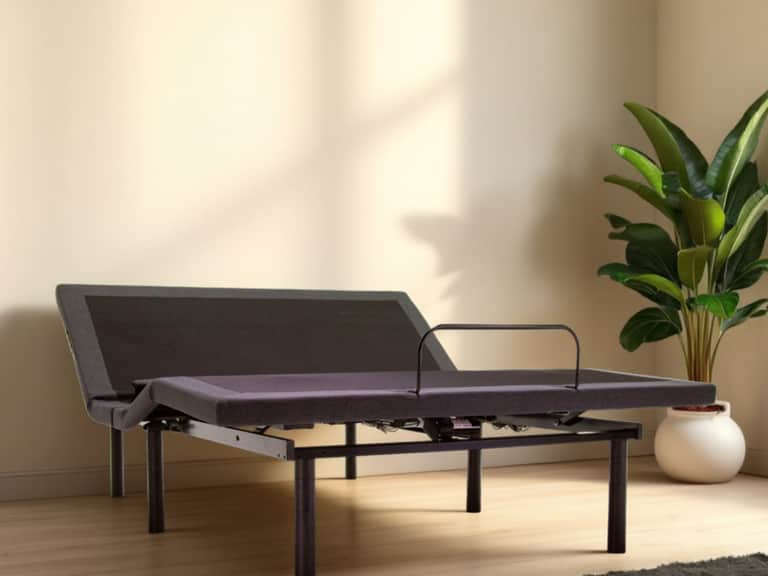
A practical example is a bedsystem inspired by the Clean Bedroom ethos: an adjustable base like The Clean Bedroom (Level 4) Adjustable Bed Base offers personalized positioning, massage, ambient lighting, and built-in snore-detection contexts that support respiratory comfort. When paired with an organic latex or latex-foam hybrid top layer, the result can be a sleep environment tuned to individual needs while maintaining a focus on wellness and safety.
Product spotlight: The Clean Bedroom (Level 4) Adjustable Bed Base
The adjustable base from The Clean Bedroom embodies a modern confluence of comfort, technology, and health-conscious design. Its independent head and foot lift, lumbar support, and a suite of wellness features—VibraSense massage, Zen Mode with pre-loaded relaxing sounds, and snore detection—illustrate how sleep systems can go beyond firmness alone. The base supports various mattresses, including organic options, and offers a 750-pound lift capacity.
Key features include remote-driven presets, underbed lighting, USB charging ports, and a platform-ready footprint that adapts to frames beyond the traditional bed. This is a concrete example of how sleep technology can align with organic material principles by providing ergonomic support without compromising safety or air quality.
Image: The Clean Bedroom Level 4 Adjustable Bed Base
Main image and features described in the article
Note: The product showcased demonstrates how a sleep system can integrate high-tech comfort with a commitment to health-conscious materials. When selecting this or similar products, verify compatibility with your preferred organic mattress and ensure that components such as covers and top layers conform to your safety standards.
Printable quick-reference: glossary and resources
To support readers who want a quick, non-commercial glossary and reliable resources, this section provides concise definitions and reputable sources. Use these terms as a framework when evaluating mattresses and bedding:
GOTS: Global Organic Textile Standard, a leading certification for organic textiles.
GOLS: Global Organic Latex Standard, certifying organic latex materials.
VOC: Volatile organic compounds, a broad class of emissions that can influence indoor air quality.
MOISTure management: The ability of textiles to wick moisture and maintain comfort.
Thermoregulation: How a bed system supports steady body temperature during sleep.
Further reading and trusted sources include professional sleep associations and independent testing bodies that publish guidelines on materials safety and environmental impact. Readers are encouraged to consult peer-reviewed sleep science literature and sponsor-agnostic health resources to form a well-rounded view of mattress choices.
Closing reflections: toward a healthier, better-slept future
The debate between organic and traditional mattresses is not a simple binary. It is a spectrum that reflects evolving science, environmental ethics, and personal sensitivity. The ultimate goal remains constant: to support restorative sleep, protect health, and foster an environment in which rest becomes a natural, unforced part of daily life. By engaging with credible certifications, understanding material function, and considering how sleep systems fit into broader wellness routines, readers can approach mattress selection with confidence and curiosity.
In a world where rest is increasingly recognized as foundational to health, the proper bed becomes not merely a product choice but a daily practice: a well-supported spine, a breathable night, and a calm environment that nurtures both body and mind.
Transform your sleep with a fully adjustable base that tailors to your body and mood—read, work, or unwind with customizable head, foot, and lumbar tweaks, soothing VibraSense massage, Zen Mode, gentle snore detection, and ambient underbed lighting for peaceful nights.
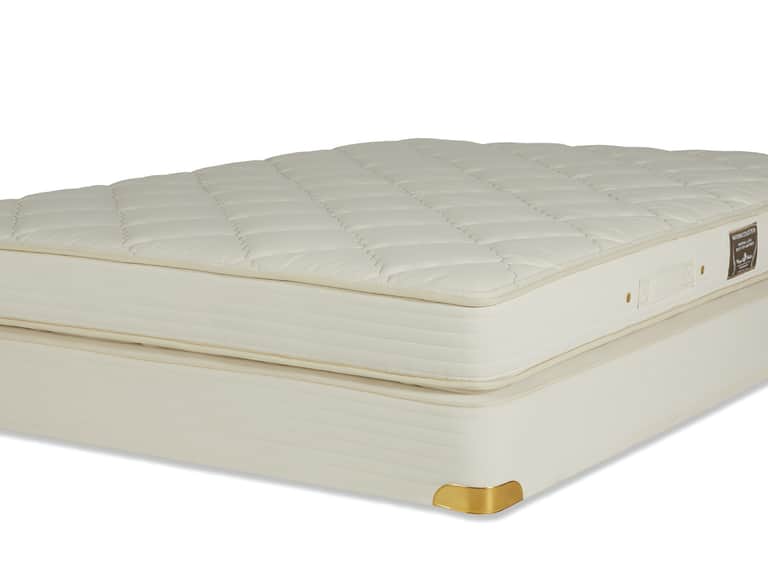
Experience balanced, contouring support with natural latex, wool, and cotton—keeps you cool, prevents impressions, and relieves pressure across every curve. Flexible on platform, box spring, or adjustable bases for luxurious nights.
Sleep easy with the solid hardwood Bennington Bed, its high footboard for a balanced, timeless presence and sturdy support. Customize wood to fit your space and enjoy durable beauty that centerpieces your bedroom for years to come.